Buy anything from 5,000+ international stores. One checkout price. No surprise fees. Join 2M+ shoppers on Desertcart.
Desertcart purchases this item on your behalf and handles shipping, customs, and support to Portugal.
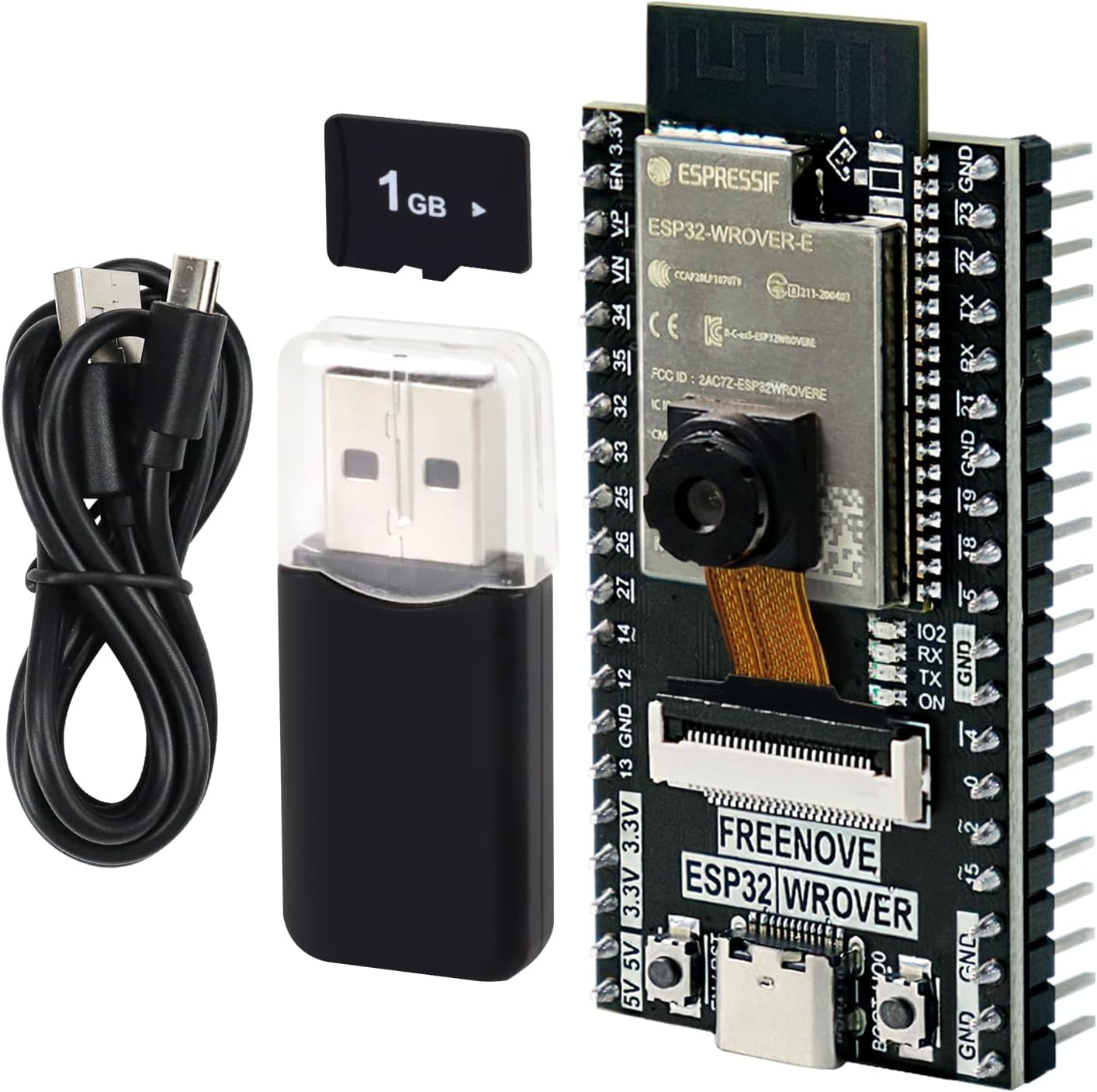
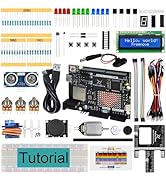
๐ Unlock your smart world with the ultimate ESP32 CAM kit!
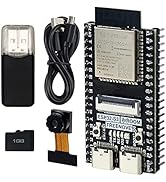
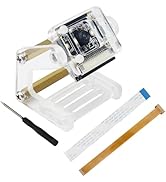
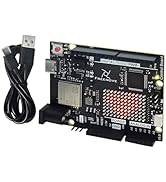
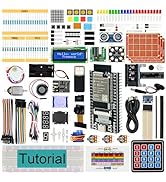
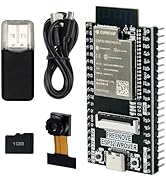
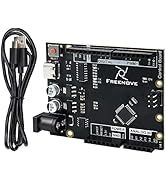
The Freenove ESP32 CAM Dev Board Kit features a powerful dual-core 32-bit 240 MHz microcontroller with 4MB flash and 8MB PSRAM, integrated 2.4 GHz Wi-Fi and Bluetooth 4.2, and an onboard camera with a 1GB memory card. Designed for rapid prototyping, it supports both MicroPython and C programming with detailed online tutorials and example projects, making it ideal for professionals and enthusiasts eager to build connected, camera-enabled IoT solutions.
| ASIN | B0CJJHXD1W |
| Best Sellers Rank | #1,244 in Single Board Computers (Computers & Accessories) |
| Brand | FREENOVE |
| Built-In Media | 1GB Memory Card |
| CPU Model | None |
| Compatible Devices | Onboard camera, external cameras with compatible interfaces |
| Connectivity Technology | GPIO, USB, Wi-Fi |
| Customer Reviews | 4.2 4.2 out of 5 stars (586) |
| External Testing Certification | Nรฃo aplicรกvel |
| Manufacturer | Freenove |
| Memory Storage Capacity | 4 MB |
| Mfr Part Number | FNK0060B |
| Model Name | ESP32-WROVER |
| Model Number | FNK0060B |
| Operating System | Embedded |
| Processor Brand | Espressif |
| Processor Count | 2 |
| Processor Speed | 240 MHz |
| RAM Memory Installed | 8 MB |
| RAM Memory Technology | LPDDR |
| Smart Home Compatibility | Not Smart Home Compatible |
| Total Usb Ports | 1 |
| Unit Count | 1.0 Count |
| Warranty Description | 1 year |
| Wireless Compability | 802.11n |
K**R
VALUE! very programmable, the camera uses the GPIO pins.
A great value among programmable boards. This one's camera uses the GPIO pins so those aren't available at the same time. There are 16 LEDC channels but it looks like the camera uses 2. Great wifi connection. The camera performs way better at 22Mhz xclk (from default 20Mhz) and that hardly increases the heat. Incredibly helpful example projects are available through the ESP32 arduino DB, putting your wifi info into the premade http camera server may be the only programming you do on this board... And you can find all the ESP32 libraries on github for referencing. You can power it with 5v or 3v3 with different pins, the 5v is near the USB connector.
P**W
Absolutely phenomenal product.
Buy your ESP32 HERE! The Freenove is truly an exceptional company. They provide everything you need to get started: pinouts, datasheets, manuals, tutorials, support, and even the USB-to-serial driver. I had zero prior knowledge, yet within minutes of opening the box (which is really nicely packaged, by the way), I was already uploading example programs. From box to first upload took me just 8 minutes! I wanted to use the Arduino IDE with it, and sure enough, they even included a configuration PNG to make setup effortless. This board/kit makes it so easy to get started. Whether youโre a beginner or experienced. โญ 100% Recommend this ESP32 CAM Board, Dual-core 32-bit 240 MHz Microcontroller, with Onboard Camera from Freenove.
M**R
ESP32 Camera with USB and a few available GPIOs
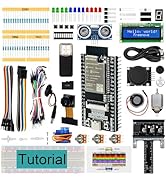
I bought this board instead of the ESP32-CAM because I needed more unused GPIOs than the ESP32-CAM provides, plus I wanted to be able to power and flash it via USB without the hassle of a USB/UART adapter or ESP32-CAM-MB. This board works great! It has about 8 GPIOs you can use, though a couple of those do double duty with ESP32 strapping pins. The pins are clearly labeled on the silkscreen, and it looks like those that are used by the camera are marked with a line. Note that this board is not particularly breadboard friendly. It will straddle the central channel, but due to it's width, it only leaves free pins on one side. It looks like the vendor also sells a starter kit with a T-Adapter (GPIO extension board) that should work well with a breadboard. Search for B09BC1N9LL.
R**E
Camera not detected, newer libraries won't work with supplied code
Camera Probe fails. I have tried reseating the cable 10 times. Still failing. Also, you need to role the ESP32 library back to 3.07 or earlier because the following libraries don't exist in the newer versions: #include "human_face_detect_msr01.hpp" #include "human_face_detect_mnp01.hpp" The board is great, just wish my camera worked.
S**H
Does everything they say it will
Projects using this module, programmed in Arduino script, step up from flashing an LED to running a web-based live video cam, all of which work perfectly if you follow the pdf instructions. Clearly written, step-by-step. WiFi, Bluetooth LE, TCP/IP; you'll learn a lot.
K**R
Board works
For Ardunio IDE, in Board Manager choose esp32Wrover as the board. LED is on pin 2 if you want to run Blink program.
S**V
No support
Only support are some blurry videos, the board works but you are on your own for support and figuring it out.
V**A
Easy to set up and use
I set up a bird feeder this summer and wanted a motion-triggered camera to capture footage of the lovely feathered friends who come visit. I would have gone with a Raspberry Pi but for the outrageous prices. Instead I went with this ESP32-WROVER kit at a fraction of the price. And it is a WINNER! The kit come with software hosted at the vendor's site. I use PlatformIO in VS Code and had some apprehensions about compatibility. It took a little experimentation with the configuration settings in the platformio.ini file to get off the ground. I modeled my program on their sample sketch and it was magic! It helps to be proficient in C/C++ to make the most of this kit. The software supplied by the vendor has many features, not all of which I have explored. It sets up the ESP32 as a web-server on the local network. The path operation function of each path operation / route can be used with small modifications in own code. For example, I am setting up the ESP32 as an MQTT client to send images to a MQTT broker in the Cloud. From there I ingest images into a Node-RED workflow and send myself Telegram notifications when a bird comes to my bird-feeder. I have used the callback of the '/capture' route in my code for this purpose. This is a very fun kit with a lot of potential! And since it is based on ESP32-WROVER dev board, there is no need for an FTDI converter for flashing firmware - a USB data cable between PC and ESP32 is sufficient. I plan to work with this kit some more and at that price point, buy more of these for IoT imaging applications. Thank you!
R**S
j'ai testรฉ ce produit : il fonctionne parfaitement, le vendeur est disponible et repond a vos messages
C**3
Good value for the price and really useful for prototyping monitoring devices at network edge. Camera resolution and frame rate is ok and WIFI seems to perform well. The github project also has full instructions and example code in python/C and is easy to get started. Support is great also, they were quick to respond with replacement of a faulty raspi shield for a different project. To use the camera on micropython you'll need to install a micropython firmware based on Lemariva's camera module as the default firmware does not include the necessary driver code. It's included in the github project for the board at /Freenove/Freenove_ESP32_WROVER_Board under the Python/Python_Codes/05.1_Camera_WebServer/firmware folder or can it be grabbed directly from github project at /lemariva/micropython-camera-driver.
L**L
EXCELENTE producto y entrega correcta.
A**D
Very good product
S**I
I bought a cheaper unbranded equivalent board+cam from eBay but had lots of problems trying to upload and run sketches using both the Arduino IDE and PlatformIO. In frustration, I bought this branded FreeNove version and it 'just worked'. I can download at maximum speed and programs run correctly. I did find that the camera does not seem to run well when XCLK in the web UI is set at the default 20MHz. So I advise you to adjust this (try 25). 800x600 seemed to be the best compromise and streaming was OK (just don't expect 30fps). You can fit a higher resolution camera but the frame rate will be even slower. This board does not have a connector for an external aerial for long distance uses. If you don't fit the camera then you have a plain DevC Kit compatible board but it is one pin longer. These boards are too wide to fit on a standard breadboard (5 rows x 2), so you need to slot two breadboards together or get a wider breadboard. A good PlatformIO project (no camera) is ESP32-MiniWebRadio by schreibfaul1 on github. Picture shows WROOM DevKitC board but I replaced this with the FreeNove board later (which has PSRAM).
Trustpilot
2 months ago
2 months ago