🎶 Elevate your desktop audio game with power, precision, and wireless freedom!
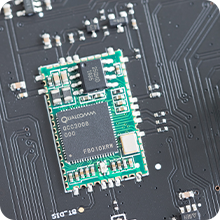
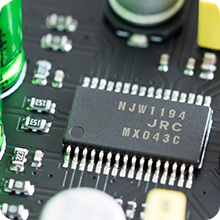
The LOXJIE A30 is a compact, high-performance desktop DAC and headphone amplifier featuring the efficient MA12070 chip, Bluetooth 5.0 with aptX, and 32bit/384kHz USB audio support. It offers versatile wired and wireless connectivity, customizable EQ modes, and a remote control for seamless operation. Designed for audiophiles and professionals alike, it delivers neutral, detailed sound with enough power to drive high-impedance headphones and powered speakers, all while maintaining cool, quiet operation.







| ASIN | B08J7Z8TN6 |
| Best Sellers Rank | 17,815 in Electronics & Photo ( See Top 100 in Electronics & Photo ) 64 in Hi-Fi Amplifiers |
| Guaranteed software updates until | unknown |
| Item model number | A30 |
| Manufacturer | LOXJIE |
| Package Dimensions | 29.8 x 23.9 x 8.8 cm; 1.36 kg |
M**T
A very safe recommendation from us.
Build and Design The A30 is a compact, no-nonsense desktop unit. The metal chassis has enough weight to feel sturdy, and the finish is clean. The front screen is bright and easy to read even from across the room. The knob is smooth and responsive, and while the menu is simple, it covers everything you need without being fiddly. It is not flashy, but it looks and feels like a proper piece of audio gear. Features This unit is more than just a DAC. It doubles as a headphone amp and a preamp for powered monitors. Inputs include USB, coaxial, optical, and Bluetooth 5.0 with aptX. Outputs are RCA and a front headphone jack. A remote is included and quickly became one of my most-used features, letting me change volume, switch inputs, or mute without leaving my chair. Sound Quality The A30 uses the MA12070 DAC chip, and it produces a sound that is neutral and detailed without being sterile. It does not artificially boost warmth or brightness, which makes it a reliable reference for many kinds of music. It has enough power to drive high-impedance headphones while still being quiet with sensitive IEMs. Listening Impressions by Genre and Headphone Pairings *Vocals and Acoustic* Ai Higuchi – Akuma no ko on the HD600 was a standout. The headphones’ midrange strength worked beautifully with the A30’s clean output, giving her voice an intimate and textured quality. On the Sundara, the track gained more air and space, with strings spread wider across the stage. majiko – Kokoronashi sounded delicate on the HD600, keeping the focus on her voice without pushing treble too far. The DT 880 added more sparkle to the piano but could lean a little bright. Uru – Kamihitoe benefited from the Sundara, which highlighted micro-details in her delivery and gave the background layers more separation. *Pop and Rock* Oasis – Wonderwall was right at home on the HD600, where the midrange balance made the guitars sound full and present. The DT 880 gave more bite to the strumming, which some listeners might prefer. Rammstein – Sonne hit harder on the Sundara, where the planar speed kept drums tight and guitars crunchy. The HD600 gave more body but less snap. The Police – Every Breath You Take worked beautifully on the DT 880, which highlighted the crisp bassline and cymbal shimmer without losing vocal clarity. *Electronic and Experimental* Skrillex – MOSQUITOTOUILLE showed the Sundara’s strength. Fast transients and heavy drops had both impact and control. The HD600 gave a warmer presentation but less slam. Yosi Horikawa – Swashers highlighted the A30’s ability to present spatial detail. On the DT 880, the moving percussive elements had an almost 3D effect, while the Sundara spread them even wider. The Prodigy – Firestarter was aggressive on the DT 880, emphasizing treble energy and speed. On the HD600, the track felt smoother and more forgiving. *Hip-Hop and R&B* Jay-Z – Run This Town on the Sundara delivered the punchiest bass while keeping the layered vocals separated. The HD600 softened the bass a little but made Rihanna’s vocals sound more natural. The Weeknd – The Hills showed the A30’s control in sub-bass. On the Sundara, the deep notes stayed clean without smearing the atmosphere. The DT 880 gave more sparkle to the synths but slightly thinned the low-end weight. *Jazz and Classical* Take Five – The Dave Brubeck Quartet felt most balanced on the HD600, where the saxophone and piano had natural tone and weight. The DT 880 added more shimmer to cymbals but could verge on brightness. Hans Zimmer – Mombasa on the Sundara was outstanding. The layering of percussion and strings stayed sharp even during crescendos, with no congestion. The HD600 gave more warmth but less spatial precision. Ludwig Göransson – Can You Hear the Music showed the A30’s dynamics. On the Sundara, it scaled beautifully, keeping crescendos impactful without turning messy. *World and Fusion* Zariya – A.R. Rahman, Farah Siraj, Ani Choying Drolma was captivating on the HD600, which handled vocals with warmth and intimacy. The Sundara emphasized spatial cues and layering, making the ensemble feel larger. Miriam Makeba – The Click Song came alive on the DT 880, which brought extra clarity to the unique vocal clicks and phrasing. *Heavy and Complex Music* TOOL – Vicarious showed the A30’s strength with dense arrangements. The Sundara handled instrument separation best, keeping guitars, vocals, and drums distinct even in busy sections. The HD600 gave more body but less precision. Thy Art Is Murder – Keres benefited from the DT 880, which emphasized attack and clarity. The Sundara carried the weight of the double kicks better. *Classic and Legacy Tracks* Pink Floyd – Echoes opened up on the Sundara, with its soundstage and layering really shining. The HD600 gave a more intimate presentation that some may find more emotional. Dire Straits – Money for Nothing on the HD600 captured the texture of Knopfler’s guitar while keeping vocals natural. The DT 880 added brightness to the strings, which worked well for some parts but less so for others. Radiohead – The National Anthem was busy but never fell apart. The Sundara kept the brass section distinct, while the HD600 softened it slightly. **Comparisons** Topping MX3: Good for passive speakers, but flatter and less detailed for headphones compared to the A30. SMSL AO200: More powerful and refined with speakers, but for headphone listening alone the A30 holds its own and costs less. Schiit Magni/Modi stack: Warmer, slightly more characterful sound, but bulkier and without Bluetooth or a remote. The A30 is cleaner and more versatile. ***Verdict*** The LOXJIE A30 proved itself across dozens of tracks and multiple headphone pairings. It is neutral enough to be trustworthy, powerful enough to handle difficult headphones, and flexible enough to anchor a desktop setup. Its Bluetooth implementation is strong, the DAC is clean, and the amp section does more than expected for the size. If you want one unit that covers headphones, powered speakers, wired playback, and wireless streaming, this is an easy recommendation. It is not just “good for the price.” It is a genuinely capable all-in-one solution that will satisfy both casual and critical listening.
T**S
Really good upgrade in sound quality
Only a short review today. This amp is excellent!!! Sound is impeccable. Bought to go with some high quality bookshelf speakers that I made from Dayton Audio drivers and concrete. This amp/DAC sounds so much better paired with these speakers than my previous valve amp. There is a great forum post on this amp on audiosciencereview (search for it, worth reading before purchase). So to review - this amp has a neutral to warm sound, doesn’t distort at all, bass response is great but you can add an active sub if you need to, the highs are clean and crisp and the mids are warm and full (but will all depend on your setup really, this amp will drive most speakers well). It also has a decent stereo field that’s wide and the timing is spot on. The audio is very clean, no hissing or pops from the speakers, is very loud (should you wish). What’s astonishing is that the amp doesn’t get hot or even warm, even after running hard for hours at a time, it’s impressive and shows that efficient amps are the future ;) The input options are great. I mainly use USB input from a PC (although there’s divided opinion on how good the USB DAC is, personally it sounds great to me) and Bluetooth. They do have a different sound signature - USB is more flat/linear sounding and Bluetooth is warmer/richer - probably due to using the other internal DAC(yes there are 2!). Either sound great though! If you’re looking for an amp that sounds great, has built in DACs and lots of digital inputs and a remote then look no further! BUY IT you won’t be disappointed.
J**E
Nice piece of kit but over priced currently
For what you get this is fairly expensive given it's "just another Chinese Class D amp". However, this one seems to be the only one currently out there that brings everything together in this small form factor whilst still providing decent quality sound. There's nothing else out there that can do everything as well as this integrated can. 2.1 is nice being able to have a sub in the future if you decide to. Integrated DAC and amped headphone output. Optical and usb and line inputs. Nice main dial knob to control things. Would be nicer if you didn't have to click it in as hard. I found the volume progression in the turning of the knob fine. The quality throughout seems very good and nicely packaged. Very clear display. Sound is good and powers a pair of missions rated at 25-100watts with no issues and goes plenty loud enough. Out of the box I found it needed a treble boost slightly, but pretty good sound. Overall it is a lot at its current pricing 27/09/21 and used to be lower, but nothing else can really compete apart from the SMSL AD18 which has an upright form factor and not as good sound quality. I do love how it's tiny, runs cool and doesn't use much power compared to class A/B amps. It sits neatly on top of my right book shelf on my computer desk setup and is very unimposing. Nice. I did some measurements for the power consumption and you needn't worry. When running at volume 30 out of 60, which means my pair of Mission M72s are plenty loud enough. it consumes 1.9 watts. Yes.... 1.9. As in...under 2 watts. Your experience may vary based on the sensitivity of your speakers. I once pushed the volume hard with the bass maxed using a youtube bass test sound sample, and I saw it peak at about 8 or 9 watts, but this is an extreme test. I seem to recall that at idle but turned on, it consumed just over 1 watt. So it sips power and is in a completely different league to any class A, A/B amp due to the design and way they work.
T**Z
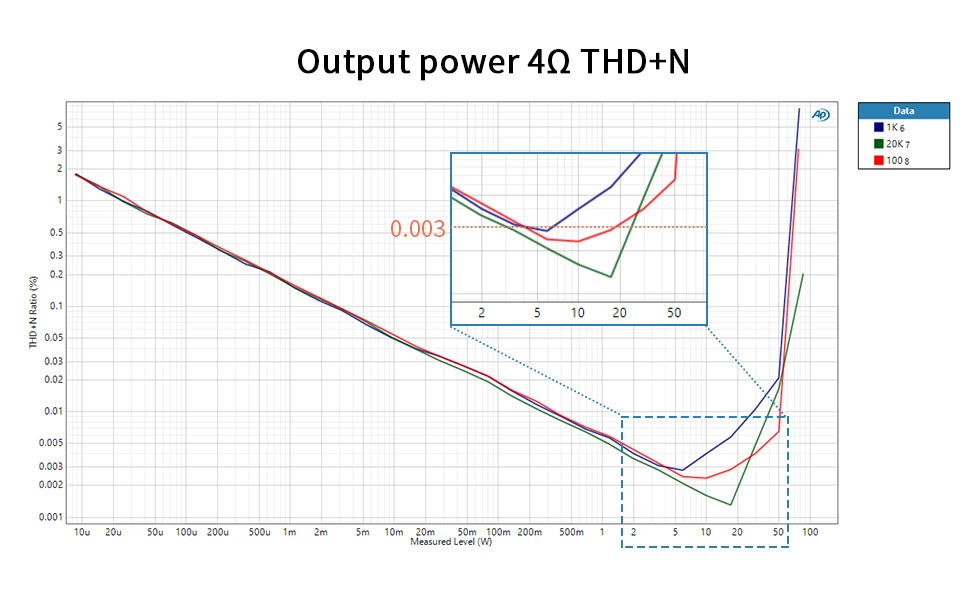
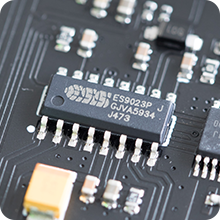
Amplificador de clase D muy completo en cuanto a entradas y salidas de audio. Para mi mesa de trabajo es perfecto por el mínimo espacio que ocupa. El MA12070 de Infineon es muy MUSICAL. Me ha impresionado enormemente, más aún si lo comparo con mi Marantz PM6006. Incorpora 2 DACs. Uno muy bueno para la entrada óptica, coaxial y bluetooth (ESS ES9023) y otro no tan bueno de Realtek para la entrada USB (modelo desconocido). Por cable óptico/Toslink suena de fábula y por Bluetooth el sonido también es muy bueno (soporta Aptx HD). Es cierto que por USB el volúmen es algo inferior al resto de entradas digitales. Es perfecto para unos altavoces de estantería que no requieran excesiva corriente ya que potencia real sin distorsión apreciable ofrece ~18W a 8ohm, ~30W a 6ohm y ~40W a 4ohm según se comenta en Audio Science Review. Maneja sin problemas la mayoría de cajas de estantería. Emparejado con unas pequeñitas pero potentes Dali Spektor 1 de 83db de eficiencia (una maravilla para su tamaño, de verdad, sorprenden) que maneja sin problemas ni distorsión llegando a volúmenes más altos de los que voy a utilizar el 90% del tiempo. Sorprende la potencia del ampli teniendo en cuenta que los Dali no son muy eficientes. ¿Es comparable a un Marantz de clase A/B por ejemplo? Hombre pues no, pero para equipos HiFi secundarios me parece increíble que se consiga un sonido así de bueno por tan poco precio, poco consumo y en tan poquito espacio. Realmente sorprende la calidad y eficiencia de los amplis de clase D más recientes. En resúmen, una pequeña maravilla, muy contento!
L**L
Çok fonksyonlu.İyi ses kalitesi.
A**O
Ich hatte folgende Geräte zum Vergleich zuhause: 1. Aiyima D03 2. Loxjie A30 3. SMSL A300 4. SMSL AO100 Zu 1.) Aiyima D03 - es ist ein permanenter High-Pass-Filter aktiv. Dafür gibt es keine Einstellungen und auch keinen On-/Off-Schalter. Ich hatte testweise einen Elac Sub 3010 am D03 angeschlossen und wollte die Trennfrequenz am Sub einstellen und habe dabei bemerkt, dass meine zeitgleich getesteten Wharfedale 11.1 (die bis 55 Hz runter gehen) nicht wirklich vom Elac beeinträchtigt werden (Überlagerungen). Auch konnte ich beim Vergleich zwischen dem Loxjie A30 und Aiyima D03 deutlich heraus hören, dass dieselben Lautsprecher am D03 im Bassbereich nicht mehr weit genug herunter gingen. Diese Erfahrung teilte auch jemand im Forum von AudioScienceReview mit. Dieser High-Pass ist ein No-Go, weil er konstant aktiv und zudem nicht einstellbar ist. Möglicherweise könnte der D03 dann im Zusammenspiel mit einem Sub gut funktionieren, aber ohne Sub am LFE fehlen dann untenrum die Frequenzen. - das Display ist weder dimm- noch abschaltbar; ich fand es störend, da der D03 direkt unter meinem TV und damit in gerader Sichtlinie zu mir stand. - die Schriftgröße ist viel zu klein; gerade mal aus max. 1 m ist noch alles erkennbar; von meiner Couch aus, auf der ich in 3m Entfernung sitze, ist garnichts mehr lesbar. - der D03 spielt etwas lauter als der Loxjie A30; offenbar hatt er etwas mehr Watt (die Herstellerangaben stimmen ja bei allen Verstärkern nicht); für mich war das irrelevant, da ich mit dem Loxjie A30 sowieso nicht über 25/60 (Volume aktuell/max; bei Musik) gehe und meist eher bei 11/60 einstelle (wenn ich Filme und Serien mit aktivierter DRC bzw. Nachtmodus zuspiele). - übrigens war hier das stärkste verfügbare Netzteil mit dabei (36 Watt 6 Ampere) Zu 2.) Loxjie A30 - er hat die beste Auflösung aller vier Verstärker; in allen Frequenzbereichen ist mehr heraus zu hören; die Bühne ist breiter als bei den anderen Dreien; der Bass ist intensiver usw. - das Display kann in unterschiedlichen Farben anzeigen; es kann sich automatisch abschalten und auch ganz deaktiviert werden; das ist super, wenn der Verstärker direkt unter dem TV steht, wie bei mir. Und die Schriftgröße ist, zumindest die für die Volume, groß genug, um sie auch in 3m Entfernung noch gut erkennen zu können. - der A30 spielt bis Volume 35/60 lauter als der SMSL A300 (der eigentlich doppelt so viel Watt haben sollte) und auch als der SMSL AO100. Das habe ich mit Wharfedale 12.2 Lautsprechern getestet (ich hatte verschiedene Lautsprecher zum Testen zuhause). "Jünger" des A300 (ASR Forum) und auch der Hersteller selbst behaupten trotzdem, dass der A300 doppelt so stark wäre als die anderen Verstärker und das an der Gain-Kurve läge, was ich aber für Hokuspokus halte, denn es ist kein Sinn darin, bis 35/60 leiser als die eigene halbe Leistungsfähigkeit zu spielen, um dann in den letzten 25 Einstellungen plötzlich irre laut zu werden. Der A30 hat also wahrscheinlich mehr Power als der A300 und der AO100. - die Bluetooth-Verbindung ist absolut stabil; dagegen bekam z.B. der AO100 bereits an derselben Position meines Smartphones Probleme, wenn ich nur das Handy in meiner Hand gedreht habe. Auch überträgt der A30 im aptX-CoDec; wenn ich mich richtig erinnere, machen das die anderen Verstärker nicht alle. - er gibt alle Frequenzen am Stereo-Out aus (im Gegenzug zum D03 z.B., der hier die tiefen Frequenzen heraus filtert) - das testweise Zusammenspiel mit dem Elac Sub 3010 funktionierte wunderbar; wer einen Sub verwenden möchte, hat mit dem Loxjie A30 keine Probleme - vorausgesetzt, der Sub kann seine Trenn- bzw. Übergangsfrequenz selbst einstellen, da der LFE am A30 (wie auch bei allen anderen drei Verstärkern) nicht justierbar ist; am A30 gibt es einen festen Filter am LFE, der die hohen Frequenzen heraus nimmt, ohne weitere Einstellungsmöglichkeit. Zu 3.) SMSL A300 - wie oben bereits beschrieben, spielte er nicht so laut, wie er hätte spielen müssen; eigentlich sollte er doppelt so laut sein als der Rest, er war aber sogar leiser. - auch hier war die Display-Schrift viel zu klein und nur bis 1m Abstand ablesbar. Zu 4.) SMSL AO100 - der A30 spielte ein bisschne lauter als der AO100, wie gesagt. - die Schrift des Display war erneut viel zu klein (max. 1m Abstand lesbar). - die Auflösung des AO100 war deutlich schlechter als die des Loxjie und mit den zuschaltbaren, integrierten Surround-Modi konnte das etwas künstlich verbessert werden, allerdings klingt es dann auch entsprechend künstlich; das war nix für mich. Ob nun der D03 und auch der A300 so deutlich schlechter auflösten, kann ich nicht 100% sagen, da der D03 wegen seines High-Pass-Filters frühzeitig aus dem Vergleich geflogen ist und der A300 wegen seiner viel zu schwachen Leistung. FAZIT: Der Loxjie A30 ist den anderen drei Verstärkern meilenweit überlegen und keiner der drei ist eine geeignete Alternative. Wichtig ist bei allen vier Verstärkern, dass man sich Bananen-Stecker für die Lautsprecherkabel besorgt, da die Anschlüsse doch sehr klein und eng zusammen liegen. Auch gibt es keine Konter-Verschraubung, was die Schrauben mit der Zeit von ganz allein sicher immer wieder locker werden lässt. Das wäre mir zu lästig und die Gefahr eines Kurzschlusses zu hoch. Hier kann ich die Nakamichi-Stecker absolut empfehlen, die ich mir nach den schlechten Goaycer-Steckern gekauft habe. Die Nakamichi-Schutz-Hülsen leiten zudem keinen Strom, was die Goaycer z.B. taten (das ist fahrlässig!).
J**D
Just installed it temporarily and it sounds amazing! Easy to setup, very user friendly, parameters are straight and clear, no need for a manual, plug and play! UPDATE!!! Ok, after a year of regular use, I decided to upgrade to a Wiim amp, not because I found the A30 to lack in any aspects, but wanted a bit more for my awsome setup, (dayton sub-800 under the small table, and diy integrated speakers😉) and I’m installing a new speaker setup in the basement, so I figured the A30 would suit that setup. If I could of went with a A/B class, I would, but the narrow space in that mantel is too tight for those heaters. So I did extendend research and went to the Wiim, witch is the best option at that price range. To my disappointment, that wiim amp did not wow me all that mutch, mostly because my wi-fi is lacking, I couldn’t get it to play without cutting and loosing connection of the controls over my phone (wiim app) because my daughter, her friend and my wife were all 3 streaming content on there phones, overwhelming my router, and as soon my wife shut her phone it went back ok. It had all the bells and whistles that I liked, 10-band eq (😎), but as for what I needed it to do, not worth the 200$ more compared to the A30. Say if you want a small affordable integrated amp that feeds your theatre setup, and don’t mind streaming trough your smart tv, loxjie is the way to go, not depending on your phone app to use it. But if you want one that can stream music on itself, and got the extra money, go wiim. Just keep in mind, the wiim don’t sound that 200$ better, it got the 10-band eq, witch is nice to fine tune your setup, environment, but the loxji gives me chills on hi-res music, paired with good speakers and a sub woofer. It sounds that good. As for the output power, loxjie wins over the wiim for the optical input, big time, but the wiim finds its strenght when paired on your wi-fi. Loxjie A30 volume climbs up to 60, at 40, with the subwoofer, the house is rocking ( kitchen/living room is aprox 24x16), over 45-50 ish the speakers are maxed and it’s unpleasantly loud. So the A30 doesn’t lack power as for my setup. All in all, wiim is returning, loxji A40 is ordered and that A30 is driving my next speaker project, verry nice sounding amp, it don’t need the band eq when it just sound good!
V**A
je voulais me faire un systeme 2.1 , j avais acheté en premier le smsl sa 300 qui est tres bon mais qualité des materiaux decevante ( la fiche micro usb a laché en moins de deux ) j ai donc acheté celui ci . en gros c est la meme qualité son mais avec en + plein de reglage , arret et volume par la telecommande ainsi que les reglages d equalisation ( soit vous augmenter les aigu et/ou les basses manuellement soit par thematiques rock-soft etc ) par contre je soupconne que les deux cité ci dessus soit fabriqués sur les memes chaines de montages alors une fois branché et réglé , n y touchez plus !! a moins que vous n utilisez pas l usb audio ( 32bit 384 khz ) mais que les rca 24bit -192 khz) je recommande quand meme celui ci pour son prix , sa compacité , la qualité de son , ses réglages et menu tres simple , la telecommande
Trustpilot
1 month ago
3 weeks ago