We remain fully operational. Our teams are working around the clock to ensure your deliveries continue safely.

DOWNLOAD THE APP


Customer Services
Copyright © 2025 Desertcart Holdings Limited
DOWNLOAD THE APP
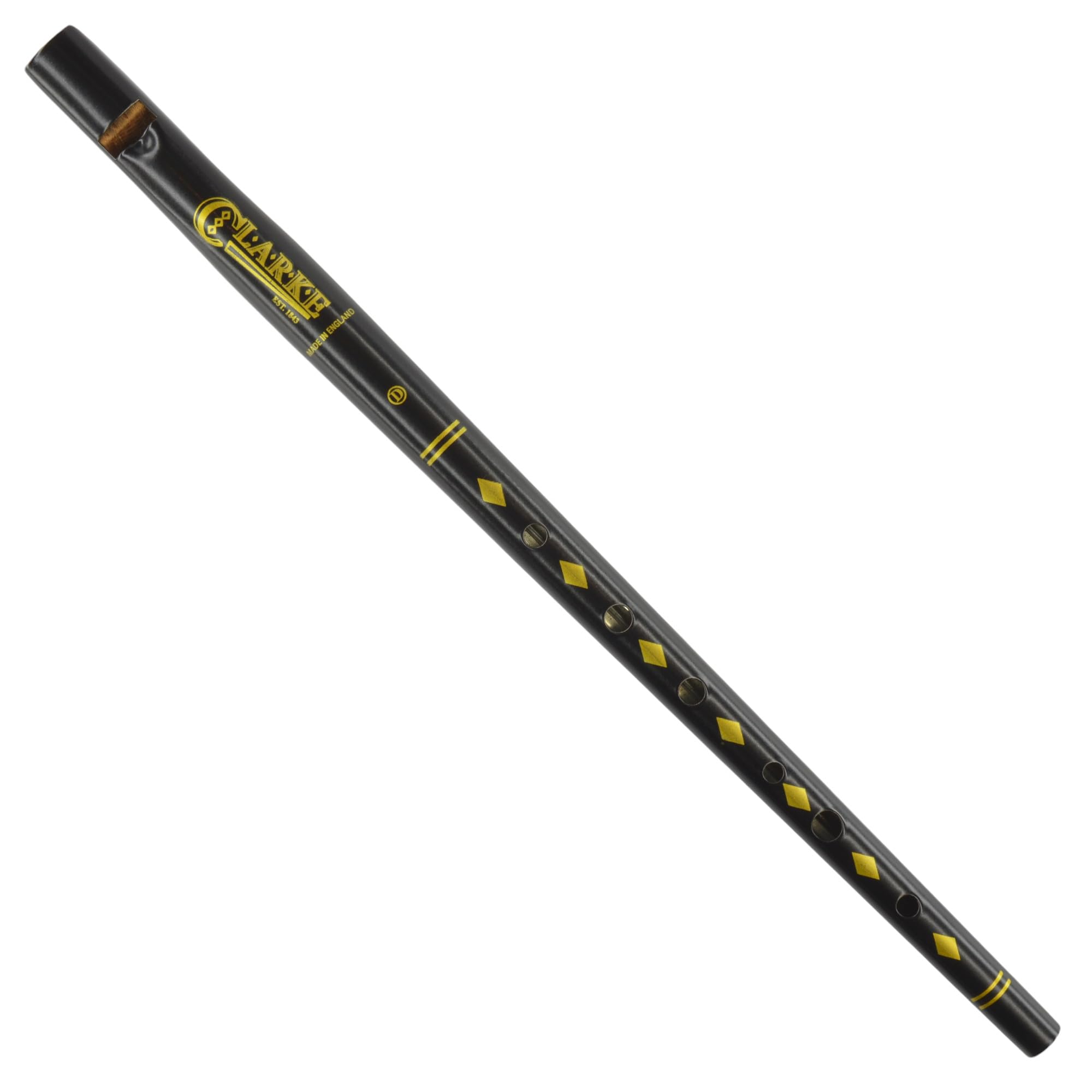


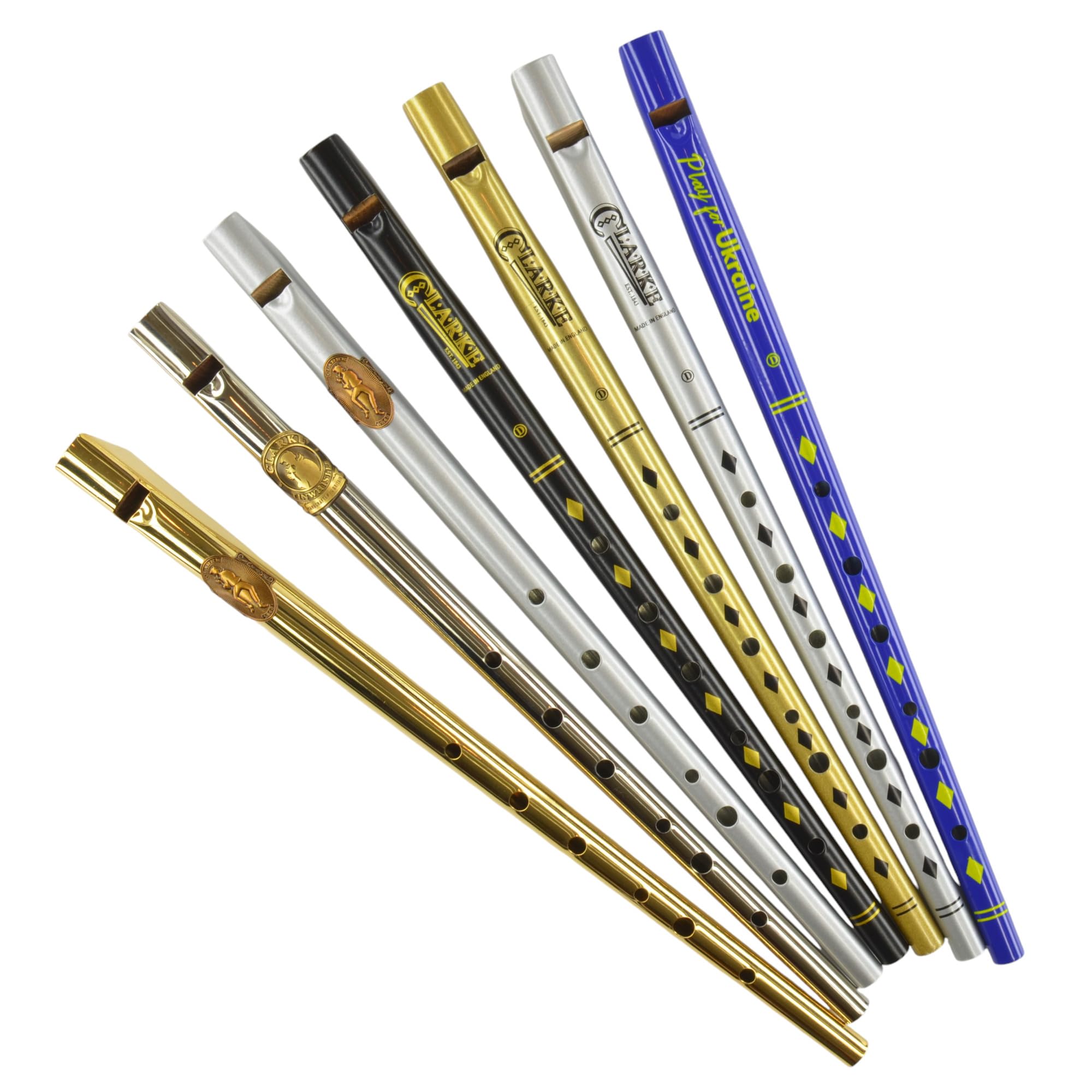

🎵 Own the sound of tradition — play the legend today!
The Gewa Clarke SBDC Pennywhistle in Key of D is a premium tin whistle featuring a wooden mouthpiece for a warm, flute-like tone. Made in England by Clarke Whistles since 1843, it offers authentic Irish music playability with lightweight brass and tin construction, perfect for both beginners and seasoned musicians.
| ASIN | B001B9JZ78 |
| Body Material | Brass |
| Color Name | Gold |
| Customer Reviews | 4.4 4.4 out of 5 stars (974) |
| Date First Available | 1 January 2024 |
| Instrument Key | D |
| Item Weight | 45.4 g |
| Item model number | SBDC |
| Material Type | Tin, Wood |
| Product Dimensions | 31.75 x 2.54 x 2.03 cm; 45.36 g |
| Size | Key of D |
N**A
Hard to clean
There is a wooden piece inside which makes it difficult to sanitize or clean
D**N
As advertised. Would buy again.
J**H
This review will be in comparing this whistle to: Clarke Celtic, Feadog pro, Feadog, Generation, Sondern whistles. First, The Clarke whistles are tapered, the others I have are not. What I have discovered this means is that in order to get a good sound in lower registers, you have to blow a little harder though the Sondern whistles are very tolerant, the Clarke whistles will make a good tone quality with constant blowing pressure. I believe this has something to do with the tapered design. My straight tube whistles require more air for higher tones. The feel of the whistle is nice. Though it is metal, it is a bit textured so the whistle doesn't slide around so it is easy to keep your fingers in the same position. The whistle isn't nearly as loud as brass or nickel. Not sure if it is the paint, the taper, or because of the piece of wood in the head, but it has a softer woody type sound, so for tunes calling for a softer, rich tone, this is my go-to in the key of D. The wood piece mentioned...one of the things I do not like about this whistle is the feel of the piece of wood against my lip, at first it was rough...after playing it a bit, the wood wore down some (along with my lip at first) The wood does absorb some moisture which helps prevent condensation buildup in the fipple, but it does reach a saturation point where the wood swells a little and then it doesn't play right until you let the wood dry out. The headpiece does not feel good on the lips, but. that piece of wood that is uncomfortable also I think is responsible for several pros. The wood piece is cut at an angle and is directly in line beneath the fipple...having taken physics classes on sound. I know that what this does is it causes the acoustic length of the whistle to match the actual length. What this means...is that when you go from the first to the second octave, there is not a cavity of pressurized air in the hollow whistle head that causes a crazed sound during the transition. So...all that science talk just to say that you do not need to 'tweek' this whistle with a piece of tack to soften the sound, it has a soft sound with nice smooth octave shift out of the box. Recap, when just learning a song I use this whistle because the tapered design will let me hit notes while blowing softly, and it is not overly loud, also the second octave has a softer tone and is not screechy and I think this is because of the wood piece and the paint. Con...I don't like the feel of the headpiece and when the wood gets too moist, it has to be dried before it can be played...takes a good hour or so to reach this point, but you'll know it when it happens.
F**T
This very fine whistle arrived very well packaged and on time 2 days ago. I took up the Irish whistle 4 weeks ago and started with the basic brass type which was inexpensive and squawky in sound and it was unbearable for those listening. I kept at it and bought a Clarke Sweetone D whistle and the difference in tone was instantaneous. It's softer in sound and when you go to the next octave it behaves better than the brass whistle I started out with. I learned a few Irish and Scottish tunes and and people were now saying how much better I sounded. This improved my confidence and after seeing a video on YouTube about this Original Clarke Irish Whistle, I thought I'd purchase one. And am I glad I did. I'm now up in the higher octave and getting the notes right. It is a quieter whistle than the Clarke D but that's part of its charm. I switch between whistles for different volumes and tone. And, I even now find myself playing the brass whistle again now that I have improved my fingering and seem to have gained more control overall. Make this your first whistle and fly.....!!!
A**A
Buen producto
F**K
If you want to learn to play a musical instrument that has a unique sound, and is easy to carry, the penny whistle is best for you. The penny whistle from Clarke is of top notch quality -- its Made in England. Go for it!
Trustpilot
2 months ago
1 month ago