Desert Online General Trading LLC
Dubai, United Arab Emirates
Desert Online General Trading LLC
Dubai, United Arab Emirates
Full description not available
A**R
True guide for digital platform owners.
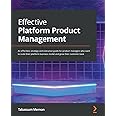
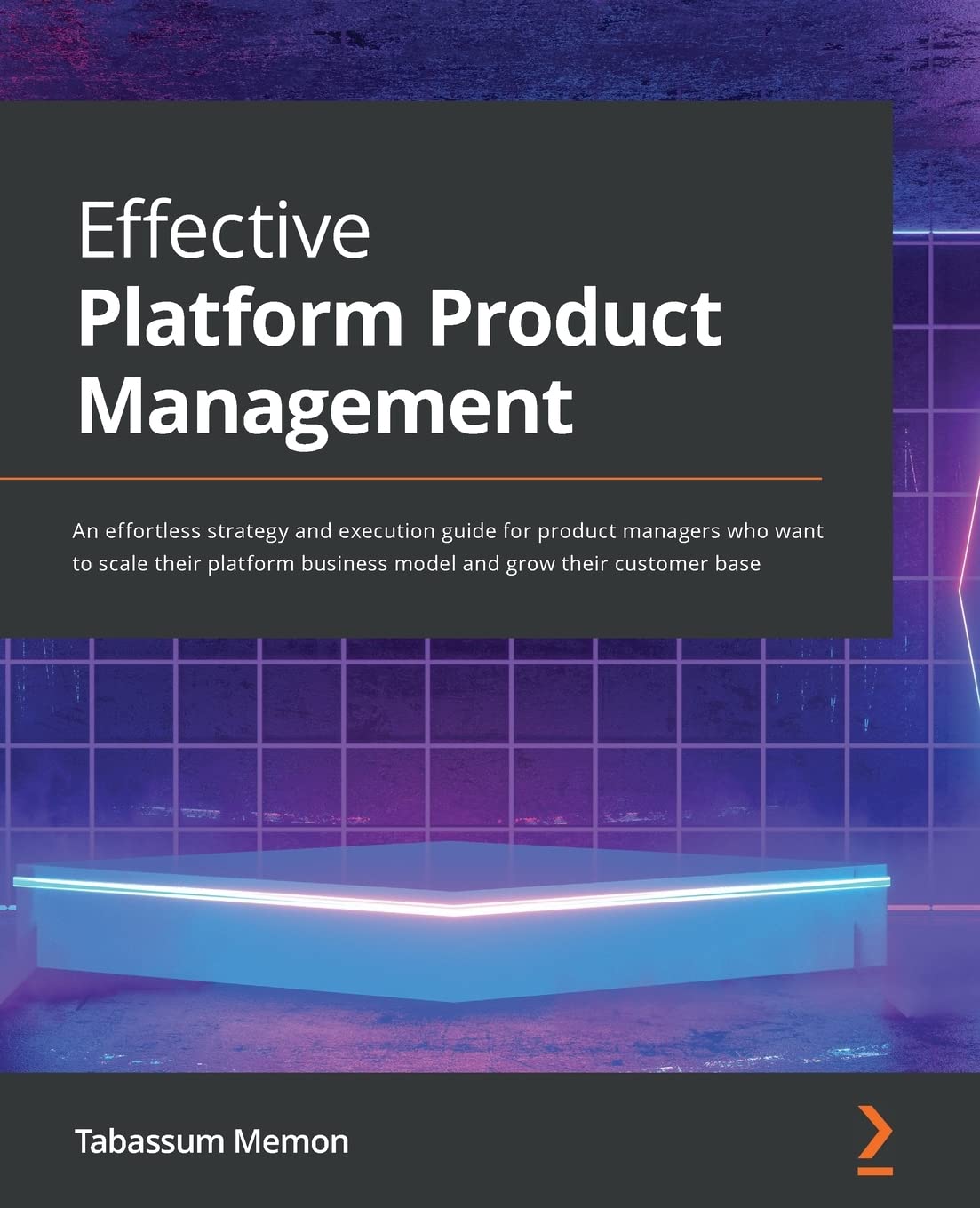
This is an outstanding and unique book in the digital platform space. The author has done a great job covering the end-to-end building of digital platforms from the product management lens. The structure and the flow of the book are brilliant.The first chapter covers the basics of the platform business model, if you are an advanced reader, you might find the content of this chapter something that you already know, but it is an excellent start for beginners. The second chapter covers the breadth of platform product management really well.From the third chapter onwards, the book gets into the depth of platform creation, starting from researching the platform use case and building the platform strategy. These two chapters are beneficial for executives and product managers involved at the strategic level of digital platforms.The book really picks up and shines from chapter 5, where it starts getting into execution and day to day of platform product management.The last three chapters are just too good. It explains that building something is not enough; measuring the performance and collecting metrics is one of the essential aspects, and prioritizing based on the metrics rounds up everything. Chapters 8 and 9 cover these topics from the platform perspective. The final chapter is the best summarizing chapter I have read. It helps product managers think about transitioning from linear products to digital platforms in an iterative approach.This book is not just a one time read but a reference guide for product managers in the platform space.
M**N
Digital Platforms Connect!
This book was very well written. The exercises and case studies helped me walk through my current digital transformation journey. I now have clear take aways to improve. Thank you.
J**D
Good guide to Platform Management
This book is a great introduction to Platform Management. No prior knowledge of the subject is required. The reader will gain an understanding of related project management tools and techniques as well.Analogies drive home the teachings. A Case Study concludes each chapter. The book and case cover platform building from inception, launch, monitoring, and improvement management. Lastly, the conversion from Linear to Platform transition is explored.Useful considerations are provided as platform management is recognized to not be a ‘one size fits all’ process.I would have liked to see more about the negative aspects of platforms. For example, it may be up for debate, but certain platforms have become monopolies. Further, in certain food delivery services I have seen a rise in cost versus direct ordering from a vendor. However, these factors could be considered outside of scope as the intent of the book is to educate on developing the model.One final nitpick. Book mentions that ‘Testers are optional’. As a QA Analyst I’m sensitive to this! If a company has the ability to add a testing team they should and see the benefits that ensue.
A**R
Comprehensive guide for product managers
I have just gone halfway through it but it has been an insightful read so far. I am new to product management and like the steady ramp up from basics to more advanced topics. I think the book really comes alive with the 2nd section.Some areas could have been explained in more details but overall I loved the comprehensive view of the product management landscape that the author had tried to create. Certainly recommend a read for both beginners and experienced product managers.
C**O
Well structured guide
Well organized and to the point information.
R**S
Excellent Explainer of Platform Management
*Disclaimer: I am reviewing this book for the publisher, no remuneration was promised nor given, except for the E-Book. On a Personal note i only review books on subjects that I have personal experience with*First and foremost, I really like the way the book is laid out. The Author starts from the beginning of defining the various types of Platforms (i.e. how they are used) and the theoretical revenue generation, market strategies and such.Each Chapter is focused on a single point of discussion and each Subsequent chapter builds upon the previous chapter. What really reinforces the chapter is the Case Study at the end.What makes this very efficient is not only does each chapter have a Chapter Summary to reiterate what is being taught, it also uses the same case study. By using the same case study all the way through the chapters, it creates a continuity of thought, learning and reinforcement.Overall, while I have some experience with Managing Platforms and Products, the author's explanation of the reasons behind why things are done certain ways, was extremely helpful.
J**A
Platforms as delivery engines
Disclosure: the book is authored by a former colleague.Overall, I felt Effective Platform Product Management covered a spread of interesting ideas about platforms, albeit with some weaknesses.The content is arranged as one might arrange a textbook: from least complex to most, ideas building on top of each other and becoming entangled and enmeshed until they produce a sort of mental artifice. At points, I had a difficult time keeping track of the author's overall view of these platforms and found myself backtracking to refresh my memory.Where I felt the book really shined was in the earliest parts: for many, the utility and effectiveness of platforms as a strategy for delivery and leverage of capabilities is extremely underutilized. The book makes a good case for those approaches and why they're powerful.The other good chunk comes as the author talks about the unique product-management approaches in play for platforms. Unlike other products, platforms are not self-contained but manifestly distributed, which means traditional approaches don't always apply. I thought the author did a great job emphasizing this throughout and giving specific advice along the way.
Trustpilot
1 month ago
3 days ago